
The fastest way to rebuild your reputation after a work mistake is to own it fast, in plain language, with a specific repair plan attached — then prove over the next few months that it was an exception, not a habit. Most people recover in six to twelve weeks of visible follow-through, and the whole process takes a couple of hours of work spread over three months.
This feels career-ending in the moment. Usually it isn’t. What colleagues actually remember is whether you hid it, whether you blamed someone, and whether you quietly did the next right thing after everyone moved on.
If you are still deciding whether to say anything at all, that decision is the first thing to settle. Silence usually costs more than the error did, because the version that spreads without you is never the accurate one.
Table of Contents
- What You Need Before You Start
- Separate what you know from what you assume
- Build a one-page factual timeline
- Write a short impact statement
- Name the people who need to know
- Find one honest outside reader
- Step-by-Step: How to Rebuild Your Reputation After a Work Mistake
- 1. Pause the Damage and Get the Facts Straight
- 2. Take Full Responsibility for Your Part
- 3. Present a Specific Repair Plan
- 4. Communicate With the Right People
- 5. Follow Through Consistently
- 6. Address Questions and Residual Trust Issues
- 7. Rebuild Evidence of Your Reliability Over Time
- Common Mistakes That Can Make Things Worse
- Minimising the error
- Over-apologising until the boss ends up comforting you
- Blaming your identity, or workplace bias, inside the repair conversation
- Going public before the problem is handled
- Making promises without owners or dates
- Hiding, editing or withholding the record
- Asking the manager to let it go
- Talking about the mistake more than the work
- Tips for Rebuilding Trust at Work
- How to Tell Whether the Repair Is Working
- Frequently Asked Questions
- How soon should I address a serious work mistake?
- Should I tell my coworkers what happened, or only my manager?
- How do I apologize at work without sounding defensive?
- Will my professional reputation recover if I made a costly error?
- What if my manager or coworkers blame me for part of the problem I did not cause?
- Conclusion
What You Need Before You Start
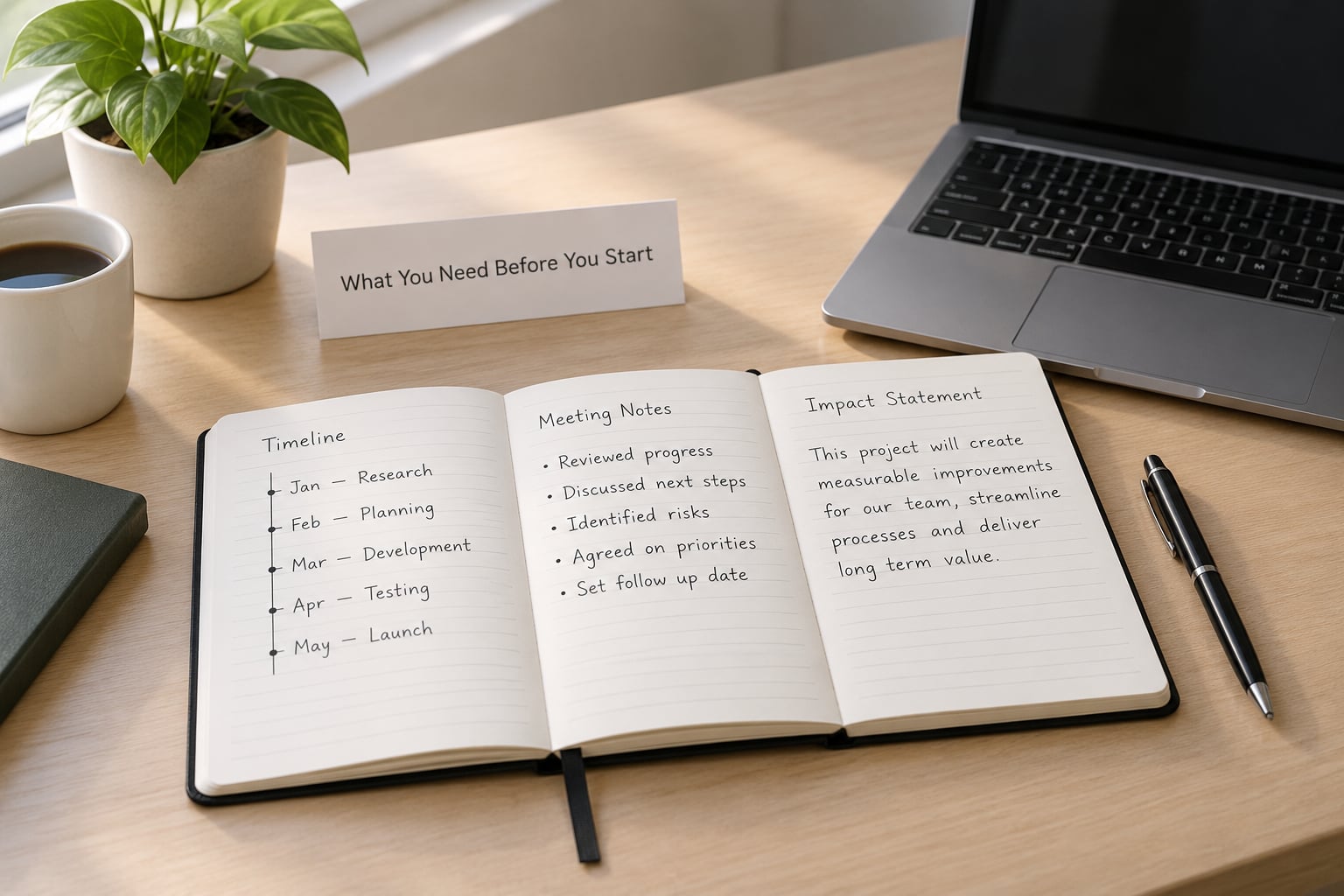
You need four things ready before you walk into that conversation: a factual timeline, an impact statement, a list of who needs to hear from you, and one person outside the situation who can tell you whether you are being accurate.
Separate what you know from what you assume
Write two columns. The first holds documented facts: dates, times, the message you sent, the report you filed, who was copied. The second holds assumptions you have not verified, including anything you heard secondhand.
This matters more than it sounds. Assumptions in your version of the story are how an apology turns into a debate, and a debate about facts gives you a new problem on top of the original one.
Build a one-page factual timeline
Chronological, plain, and boring. When did the error happen, when did you find out, when did anyone else find out, what has been done since. Dates beat adjectives. “I have been reviewing the process since March 4” carries more weight than “I have been stressing about this constantly.”
Write a short impact statement
One paragraph on who was affected, what it cost them in time, money or rework, and what has already been done. If you have no idea what it cost, say that you do not know yet and that you will find out.
Numbers help even when they are incomplete. A missed handoff that pushed a colleague’s evening off by two hours reads very differently from “I messed up.”
Name the people who need to know
List your manager, anyone whose work you touched, anyone who will handle the fallout, and anyone who will hear about it by Friday whether you tell them or not. Then decide the order you will tell them in.
Find one honest outside reader
A peer, a mentor, or a friend outside the company who will read your timeline and tell you where you sound defensive or vague. Forum threads about career mistakes come up again and again on this point: most people over-explain in the first draft and under-explain in the second.
Step-by-Step: How to Rebuild Your Reputation After a Work Mistake
Seven steps, in this order. Each one has a test for whether it worked, so you can tell progress from anxiety.
1. Pause the Damage and Get the Facts Straight
Stop the bleeding before you explain anything. If a report is wrong, a message has already gone to the wrong person, a project is stalled, or a client has an open question, fix or retract it first.
Then verify what actually happened using systems of record rather than memory and rumour. Pull the email, the ticket, the version history, the approval log.
How you know it worked: nobody finds out about the mistake from someone other than you.
2. Take Full Responsibility for Your Part
Say what you did, what it affected, and what you will do about it. Three sentences is usually enough. Do not explain the system, the tool, the client’s change of direction, or your workload unless it changes a fact you are correcting.
Say the word “sorry” once, plainly, and mean it. Then move to the repair. Forum readers describe the same turning point over and over: speed of ownership matters more than eloquence, and a long speech reads as defending yourself.
A workable script: “I sent the wrong version to the client on Thursday. They found it Friday morning and lost about two hours of review time. That was my error. I have corrected it and here is what I am doing so it cannot recur.”
How you know it worked: your manager’s first question is about the fix, not about why you did it.
3. Present a Specific Repair Plan
An apology without a plan puts the work back on the other person. Bring the remedy yourself, in writing, with a date attached.
A complete repair plan names what changes, who owns each part, when it lands, and how you will know it is finished. “I will be more careful” is not a plan. “From Monday, file changes go through the second reviewer in our shared queue, and I will check that queue every morning before I start my own work” is a plan.
Offer to absorb the cost of the mistake where you reasonably can — rework hours, a late fee you caused, a credit. It lands far better with managers than emotion does, and you can always decline if the amount is not yours to decide alone.
How you know it worked: your manager accepts your plan without rewriting it.
4. Communicate With the Right People
Tell your manager first, then anyone whose work you affected, then your wider team at the level of detail they need to do their jobs well. People who need details get them. People who only need to know it is handled get a short version.
Watch your confidentiality here. Owning your part of an error is not the same as discussing someone else’s part of it, and blurring the two can turn a contained mistake into a workplace dispute.
For anyone whose work you damaged, talk to them directly and briefly before they hear it from anyone else. A ten-minute conversation and a follow-up message beats a public correction every time.
How you know it worked: nobody asks you the same question three times.
5. Follow Through Consistently
This is the step where reputations are actually repaired, and it is also the least dramatic one. You do the promised things, on the dates you named, and you send short progress updates while people are still paying attention.
Surface risks early rather than late. If a deadline is slipping, tell your manager when there is still time to act on it, not after it has passed. Bad news delivered early is usually treated as competence. Bad news delivered late is treated as the original mistake all over again.
Send a two-line written follow-up after the verbal conversation: what you said, what you committed to, by when. Managers frequently mention that the written note is the part they keep.
Then stop raising it. Forum posters describe the second wave of apology — the repeated checking-in, the asking whether they are still in trouble — as the thing that makes an apology start to wear thin. Make the point once with your plan, then let behaviour carry it.
How you know it worked: your name stops appearing in conversations about the project.
6. Address Questions and Residual Trust Issues
Expect to be asked things twice, sometimes by people who were not there. Colleagues who were not involved often hear a distorted version first, and their questions are reasonable even when they are based on wrong facts.
Answer the same way every time: short, factual, no new details and no fresh complaints about anyone. If a question is based on something false, correct only that part, then move on.
Deal directly with the harder cases. If someone is treating you differently and you do not know why, ask your manager what they are seeing. Managers are usually relieved to be asked, because silence from you looks exactly like avoidance.
How you know it worked: you can handle a question about it without over-explaining.
7. Rebuild Evidence of Your Reliability Over Time
One handled error does not define you. Three months of visible, unremarkable reliability does most of the repair. Pick the two or three things you are actually accountable for, and make them boringly predictable.
The progression below is the part most advice skips. Trust returns in stages, and most people quit one stage too early because nothing has visibly changed yet.
| Window | What You Do | What Success Looks Like |
|---|---|---|
| First 72 hours | Contain the damage, own it, hand over a written repair plan | Your manager knows the facts and has agreed your plan |
| Days 4 to 30 | Deliver every promised fix on time, short weekly updates | You are given normal ownership again, not supervised work |
| Days 31 to 60 | Take one visible piece of work end to end without incident | Colleagues bring you work without checking first |
| Days 61 to 90 | Hold the process you introduced; ask for specific feedback | Nobody raises the mistake unprompted |
For Black professionals specifically, the work is the same but the room is different. A mistake made by a Black colleague is more often held against you and remembered longer than the same mistake made by someone else, and that uneven weighing is real even when nobody says it out loud. The countermeasure is not an argument about bias in the moment — it turns a repair conversation into a fight you have to win. It is documentation, specific feedback you can point to, and a track record over weeks rather than a single good impression.
Ask your manager directly, once: “What would tell you I am back to where you had me before this?” Then write the answer down and hand it back to them on schedule.
How you know it worked: your workload, your access to decisions, and the way people talk to you return to their previous level. That is the signal, not their opinion of you.
Common Mistakes That Can Make Things Worse
These are the responses that turn a recoverable error into a lasting reputation problem. Each has a straightforward replacement.
Minimising the error
“It was not that serious” and “everyone makes mistakes” tell your manager you do not understand the impact they are already dealing with. Replace it with the specific impact: who lost what, and how much.
Over-apologising until the boss ends up comforting you
Repeated apologies, tears, or a long self-indictment move the emotional work onto the person who has to fix the problem. Replace the second apology with a question about the repair.
Blaming your identity, or workplace bias, inside the repair conversation
Raising bias can be completely valid, but not as the first move after an error — it reads as cover for the error, however true it is. Separate the two conversations. Repair first, and raise any pattern of unfair treatment in a later, specific conversation with evidence attached.
Going public before the problem is handled
A long message to a team channel or a post about being misunderstood spreads the story faster than you can control it. Keep it to direct conversations while you are still fixing the work.
Making promises without owners or dates
“I will never let that happen again” has no owner, no date and no test, so it cannot be kept and cannot be checked. Every commitment gets a name, a date and a done condition.
Hiding, editing or withholding the record
Deleting a message or letting a record quietly disappear turns a mistake into a trust problem, which is much harder to come back from. Keep the trail intact, even when it is unflattering. If you need correcting information that is genuinely wrong, do that openly.
Asking the manager to let it go
Your manager needs to close the incident properly, and that often means a written note, a check-in, or a formal step. Trying to skip that leaves them holding the open item and you holding the uncertainty.
Talking about the mistake more than the work
Rumination is one of the hardest parts of this, and it reads as self-absorption at work. Set aside ten minutes a day for processing it outside the office, then talk about the project instead.
Tips for Rebuilding Trust at Work
A few practices that make the recovery stick, beyond the seven steps.
Keep a recovery log. One page: date, what you promised, when it was due, whether you delivered. It keeps you honest, and it is genuinely useful if your manager asks later whether anything has slipped.
Ask for feedback on a specific behaviour, not on everything. “How did I come across this week?” gets you a polite answer. “Was my update on Thursday quick enough for you to act on?” gets you a usable one.
Match the communication style of your workplace. A team that writes everything down needs the written record; a team that talks needs the five-minute conversation. Doing it in the other medium reads as not understanding how things work there.
Ask HR what your formal process actually is. If a performance improvement plan, a written warning or a documentation step is coming, knowing the process in advance stops you from being surprised by it and lets you respond with facts.

Check your digital footprint once the dust settles. Search your own name, review your LinkedIn profile for anything you would not want read in an interview, and check Glassdoor for reviews posted about the incident. Correct what is yours to correct and do not argue with strangers in public.
For Black professionals, one more check matters: whether reference and background-check processes at your next employer are handled consistently for everyone. Ask colleagues from other companies what they actually hear in a reference call, because a lukewarm reference from a manager who resents you can stall a hire more than the error ever would.
How to Tell Whether the Repair Is Working
Watch behaviour, not opinions. People who still think badly of you may say nothing at all, so judge by what actually changes around you.
- You are brought into decisions again rather than kept out of the loop.
- Colleagues give you work without checking with your manager first.
- Nobody raises the mistake when you walk into a room.
- Your manager gives you feedback on ordinary performance, not on the incident.
- You are included in planning conversations about the next quarter.
If none of that has changed after about eight weeks, ask for a direct check-in rather than guessing. Managers are used to being asked, and the answer tells you whether the problem is your follow-through or their wariness.
A word on getting legal help. If the outcome involves termination, discrimination claims, unpaid pay from the error, or a reference dispute you cannot settle in conversation, an employment lawyer is worth the consultation. Do it early, and bring your timeline and your written record with you.
Frequently Asked Questions
How soon should I address a serious work mistake?
Tell the right people as soon as you have confirmed the facts, usually within hours rather than days. Speed does more for your standing than the eloquence of the apology, because an error disclosed early is usually a smaller problem than the same error disclosed late. Say what happened, what it affected, and what you will do about it, then stop talking.
Should I tell my coworkers what happened, or only my manager?
Tell your manager first, then anyone whose work you directly affected, then the wider team only as much detail as they need to do their jobs. Over-sharing turns a contained error into a story the whole office retells. If people will hear about it by Friday anyway, a brief, factual message from you beats hearing it from someone else.
How do I apologize at work without sounding defensive?
Name the specific error, name the specific impact, and skip the explanation of why it happened. Three short sentences is enough: what you did, what it cost, what you are doing now. If you catch yourself describing the system, the client, your workload or your tenure, you are explaining rather than apologising. Finish by proposing the fix.
Will my professional reputation recover if I made a costly error?
Usually yes, and a handled error can leave you with more trust than you had before, because colleagues judge how you respond. Most recovery takes six to twelve weeks of ordinary, reliable work after the repair plan is delivered. The reputation damage that lasts comes from concealment, blame or a vague promise with no follow-through, not from the error itself.
What if my manager or coworkers blame me for part of the problem I did not cause?
Separate the two issues in your head: your part, which you own, and the part you dispute, which you handle with evidence and without emotion. Say plainly, “I am responsible for the handoff I missed, and I have corrected it.” Then raise the rest separately with dates, records and system logs. Keep the tone factual, not accusatory, and do not trade accountability for blame.
Conclusion
Contain the problem first, then own the specific error in plain language, then bring a repair plan with names and dates attached. After that, your job is ordinary and repetitive: do what you said, report early, and let consistency do the talking.
Trust comes back faster than the panic suggests — usually within one or two quarters of work that needs no commentary. Give it that long before you decide the damage is permanent.